DRIVER
Description
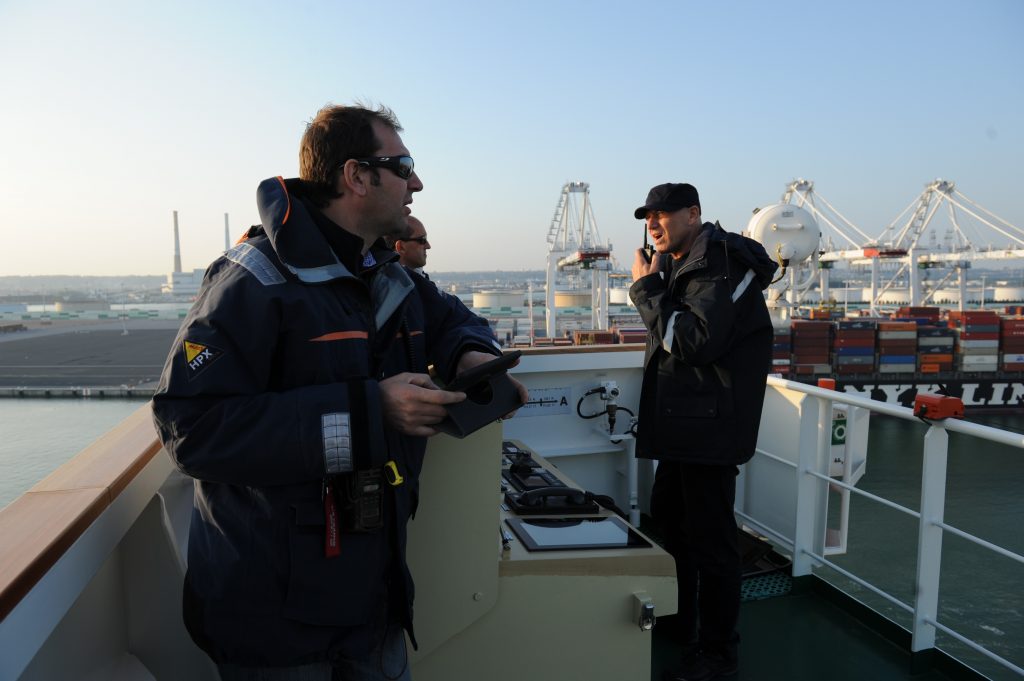
Their role is to advise and assist the ship’s captain with entering, leaving and manoeuvring the vessel in the port. The pilot often boards the vessel whilst it is still some way out at sea. He stands alongside the captain, who remains in charge of manoeuvres, guiding the vessel to its berth. Like ship’s captains, pilots are officers in the merchant navy.
Qualities and skills
- Diligence and composure
- Good physical fitness, good eyesight and hearing
- Ability to adapt
- Availability
- Suitability for embarkation and working at sea
- Knowledge of the specific characteristics of one’s nautical sector
- In-depth knowledge of hydrography
- Proficiency in maritime regulations
- Comply with maritime navigation regulations, port regulations and safety rules on board vessels
- Be able to use navigation radars and modern positioning systems
- Be familiar with manoeuvres for mooring and casting off, as well as starting up and operating the vessel
- Understand and speak English (navigation-specific vocabulary)
Educational and training requirements
Pilots are recruited through a competitive examination organised by the local Maritime Affairs authority, based on the needs of the pilot stations. This examination is open to candidates aged between 24 and 35. Candidates must already hold a master’s certificate (captain) and have completed 72 months (6 years) of seagoing service as an officer.
Sectors and organisations
Seaports and river ports. In Le Havre, the Le Havre-Fécamp Pilotage Station employs the port’s pilots. In addition to the 48 pilots who make up its staff, the station employs 47 other staff members: Maritime department: 30 seafarers Transport department: 5 drivers Aviation department: 2 helicopter pilots and 2 winch operators Maintenance department: 6 staff members Administrative department: 2 staff members