SAILOR
Description
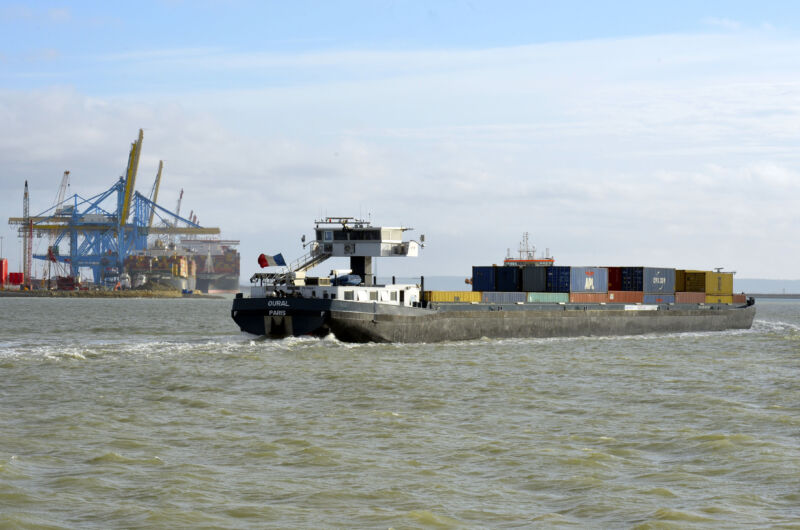
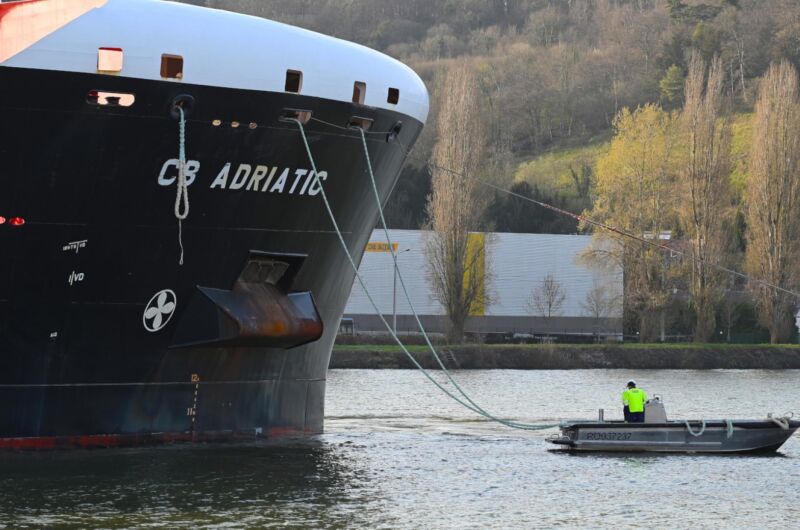
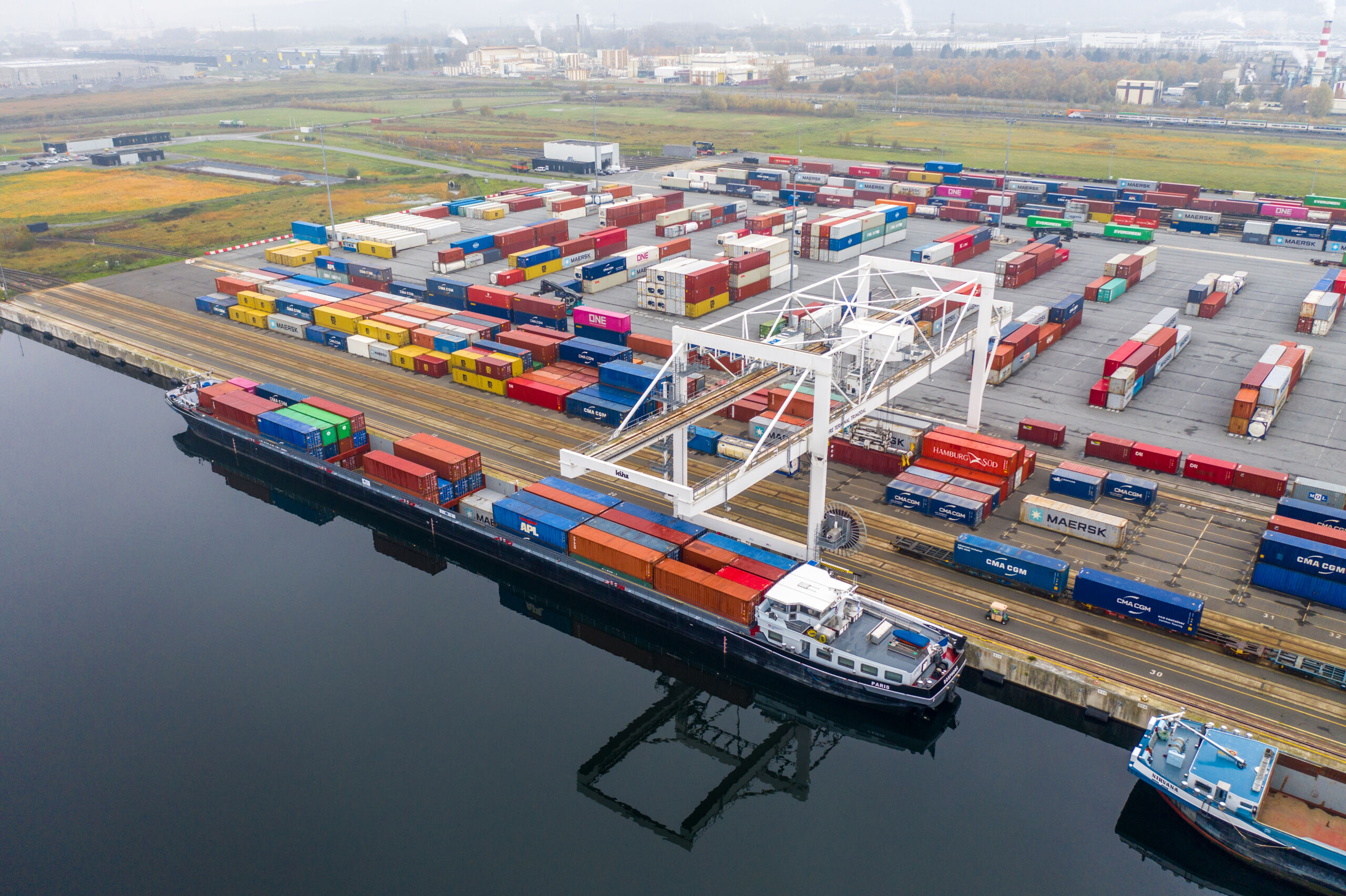
A riverboat crew member is employed on an inland waterway vessel. They may be at the helm, on deck, in the hold or in the engine room. They carry out all tasks relating to the operation of the vessel and maintain the mooring and anchoring equipment. They may be required to use emergency, rescue, damage control and safety equipment.
Qualities and skills
- Adaptability and versatility
- Patience
- Independence
- Ability to work as part of a team
- Carrying out mooring and unmooring manoeuvres, as well as starting up and operating the vessel
- Ability to use navigation equipment (GPS, VHF, radar, etc.) and lifting equipment
- Carry out or assist with the loading and unloading of goods
- Supervise the boarding and disembarkation of passengers
- Carry out maintenance work
- Initiate emergency procedures in the event of an incident
Educational and training requirements
CAP in Inland Waterway Transport
Vocational Baccalaureate in Inland Waterway Transport
One year post-A-level: Professional Certificate in Inland Waterway Transport Management
Two years’ further study: Higher Technician in Logistics and International Transport, specialising in inland waterway transport
To operate a vessel, you must hold a specific licence known as the ‘Certificate for the Operation of Commercial Vessels’.
Sectors and employers
This course offers varied and progressive career opportunities in the field of river transport, covering both freight and passenger transport. A salaried riverboat crew member can progress through the ranks to become a barge captain or an independent riverboat operator. A boatman may also move into river tourism, a rapidly growing sector, or take up a office-based role with a shipping company.