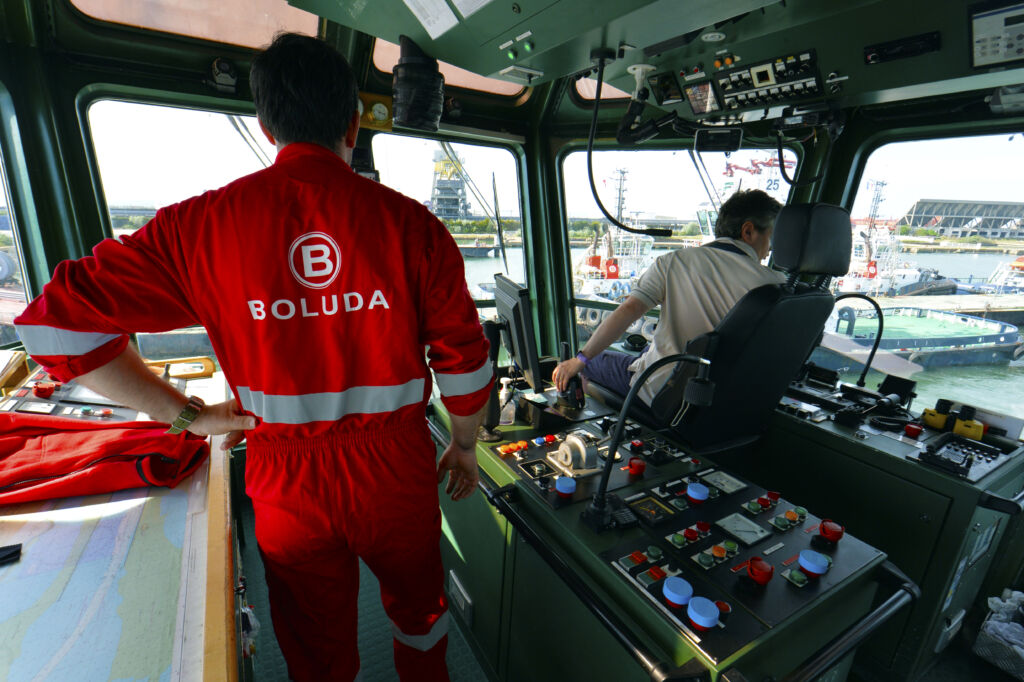
TUGBOAT CAPTAIN
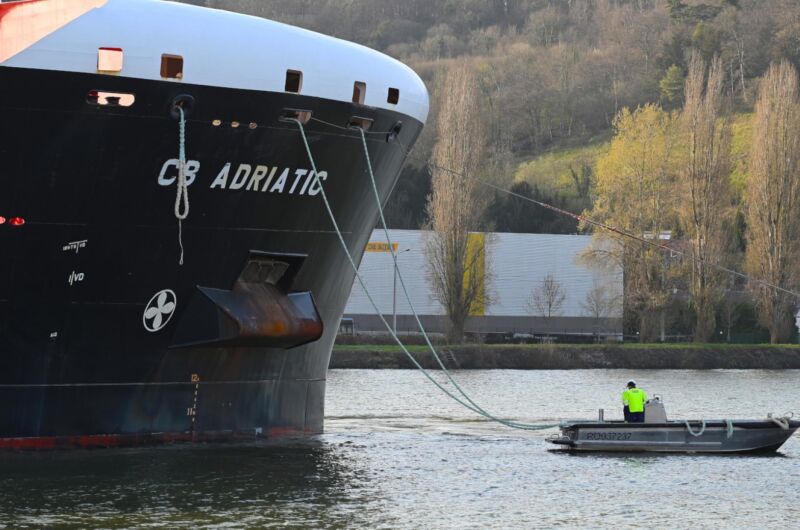
The captain is in charge of a tugboat and its crew. When a vessel calling at port is unable to dock or set sail under its own power, harbour tugs assist it by pulling, pushing or holding it in place, using one or more ‘towlines’ – thick ropes secured to the deck of the vessel being towed.
Qualities and skills
- Enjoys working as part of a team
- Diligence and composure
- Adaptability and flexibility with working hours
- Ability to make decisions
- Stress resilience
- Suitability for working at sea
- Knowledge of ship handling: supervising navigation operations and coordinating a ship’s technical services
- Collect technical data on the voyage (schedules, distances, weather, etc.) and draw up the route plan
- Monitor safety systems
- Plan a maintenance operation
- Supervise and coordinate port site monitoring operations (fire safety, emergency plans, etc.) and draw up emergency response plans
Educational and training requirements
Certificate of Qualification as a Chief Watch Officer on a Seagoing Vessel (can be obtained through a competitive examination with a Baccalaureate, or via application with a two-year post-Baccalaureate qualification in a scientific or vocational field, supplemented by three years of theoretical training and 12 months of practical training).
The Higher Studies Diploma in Merchant Shipping (DESMM), the Second Class Merchant Navy Captain’s Certificate (C2NM) or the First Class Merchant Navy Captain’s Certificate (C1NM) are required for the role of captain.
Sectors and companies
Tugboat captains work in a commercial seaport, generally for a private company operating at European or even international level. In Le Havre, the company Boluda is responsible for harbour towage.
Source: LH PORT CENTER – Further information at www.lhportcenter.com