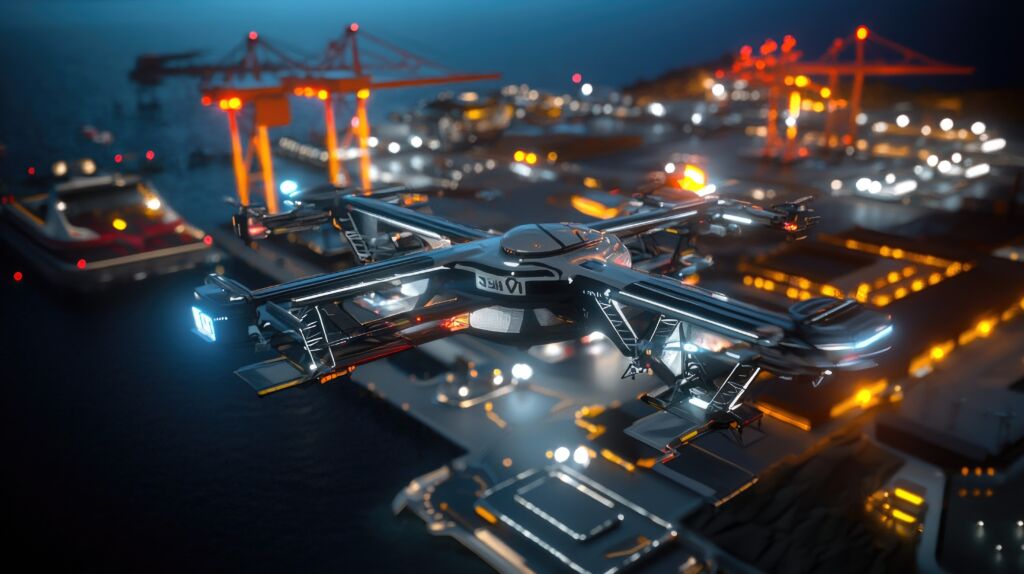
DRONE REMOTE CONTROL
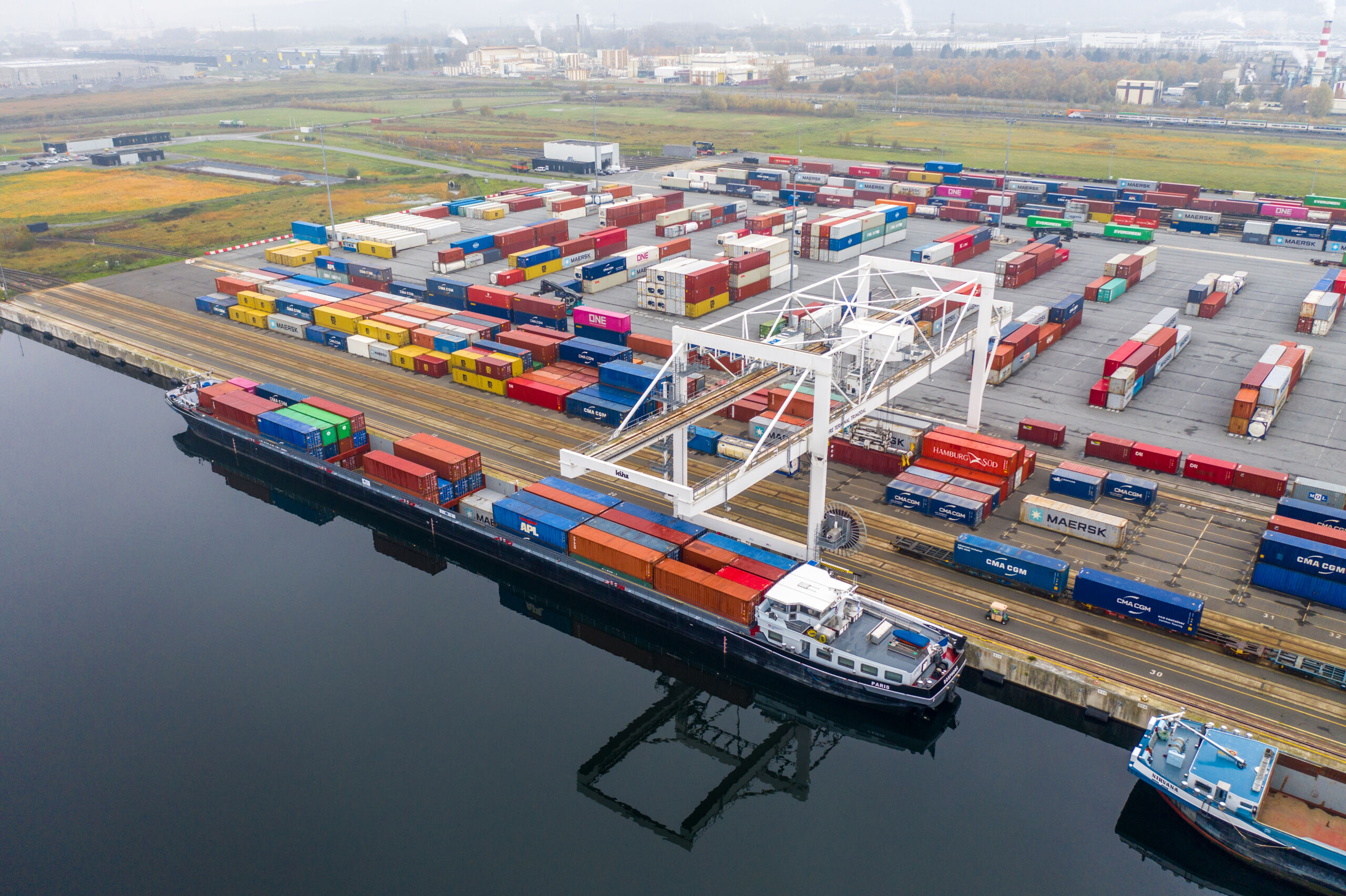
In the port area, the use of drones offers enhanced inspection and surveillance capabilities that are difficult to achieve as effectively with other equipment. However, the job does not merely require a thorough understanding of these flying machines and their capabilities; it also relies on compliance with regulations and the fulfilment of numerous tasks, including adhering to flight plans and drafting reports.
Qualities and skills
- Precision and concentration
- Good piloting skills
- In-depth knowledge of and compliance with aviation regulations
- Proficiency in IT tools and software specific to drones
Education and training
Regulations require drone pilots to obtain a certificate issued by the Directorate General of Civil Aviation (DGAC).
With a view to developing dual skills, training equivalent to a BTS (Higher Technical Certificate) in audiovisual studies, photography, surveying, aeronautics, geology, civil engineering, logistics or safety is also welcome, depending on the intended missions.
Sectors and organisations
Remote pilots may work for: – Industry, construction, the audiovisual sector and security. – Certain large organisations, such as surveying firms, are keen to recruit candidates who are proficient in using these reconnaissance tools. – Security services, the gendarmerie, the armed forces and intelligence agencies also make use of the skills of drone pilots.
Source: LH PORT CENTER – Further information at www.lhportcenter.com