BOILER MAKER
Description
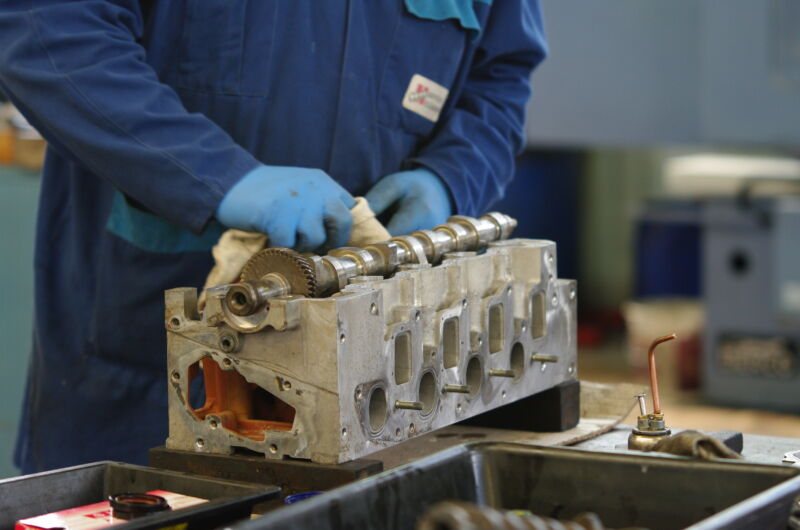
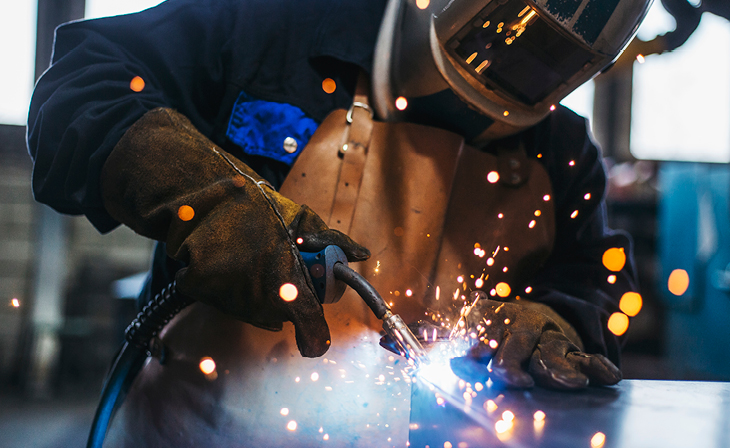
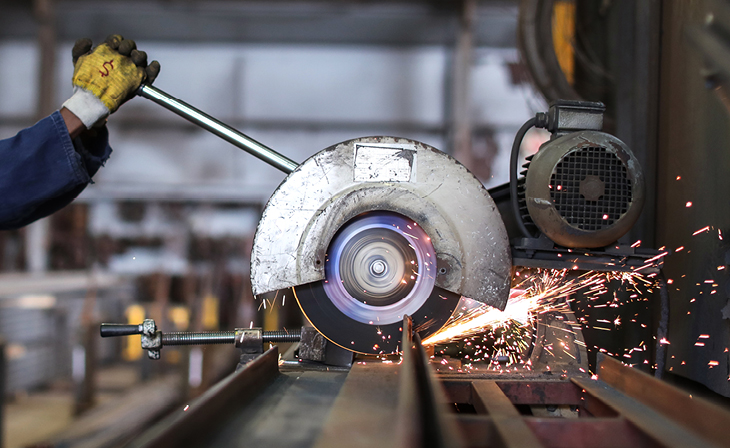
A metalworker works with metals such as copper, steel, tin, lead and alloys such as aluminium. They work in a workshop to manufacture or repair parts. Where parts are large, they work directly on site. As well as manufacturing, they also carry out maintenance on existing parts.
Qualities and skills
- Manual dexterity and practical skills
- Physical stamina (work involves standing and may require moving heavy and bulky loads)
- Independence and precision
- Good spatial awareness (ability to visualise parts in three dimensions)
- Design and fabrication of sheet metal assemblies and preparation of materials
- Proficient in cutting, marking out and welding
- Checks the quality of the finished product
- Proficiency in using hand tools, machinery and, where applicable, computer tools
- Ability to read technical drawings for electrical, hydraulic and mechanical systems
- Skills in hydraulics, thermal engineering and mechanics
- Proficiency in operating sophisticated machinery, including the ability to programme, operate and monitor it.
Education and training levels
CAP in Industrial Metalworking or Metalworking/Welding
A-level equivalent: Vocational A-level in Industrial Boilermaking / Mechanical Product Manufacturing … Practical Training (TP) in Boilermaking
Two years of further education (Bac + 2): Higher National Diploma (BTS) in Product Manufacturing Process Design / Industrial Metalworking
Sectors and companies
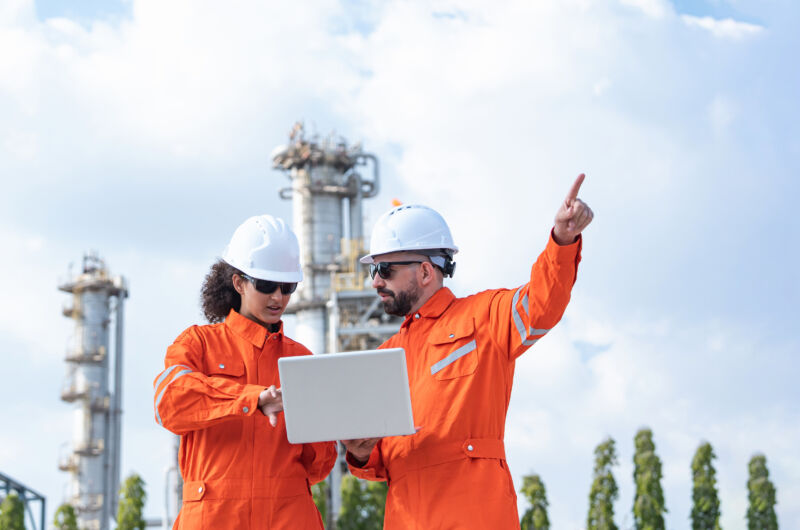
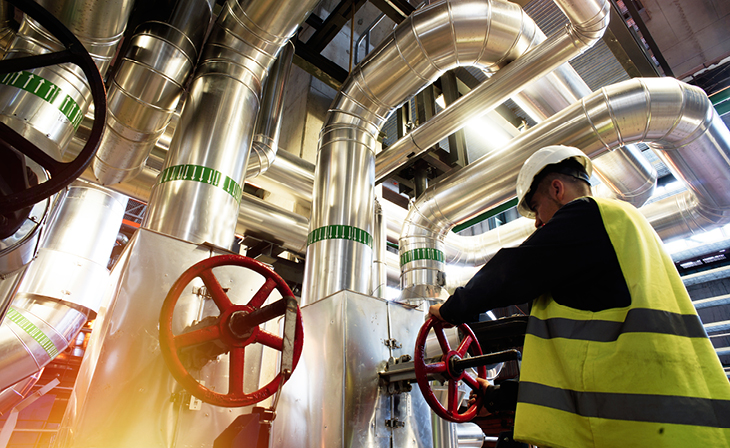
A metalworker’s activities take place exclusively in the workshop when dealing with small and medium-scale metalwork: domestic appliances, heating and ventilation equipment, bespoke vehicle bodywork In large-scale metalworking, products – such as storage tanks used in the chemical industry, for example – are assembled directly on site after the components have been manufactured in the workshop.