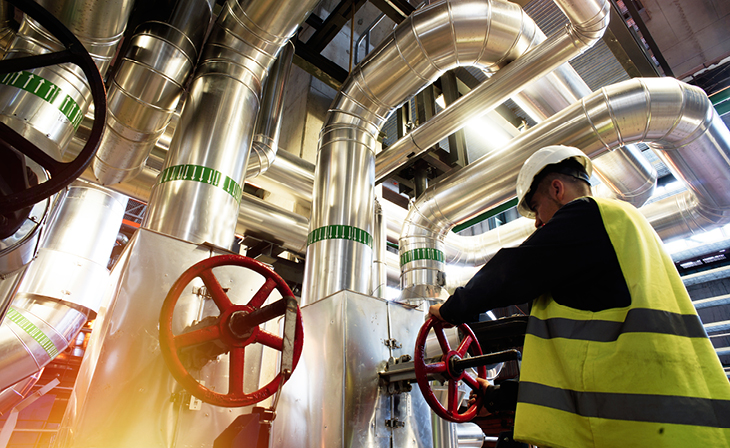
PIPE FITTER
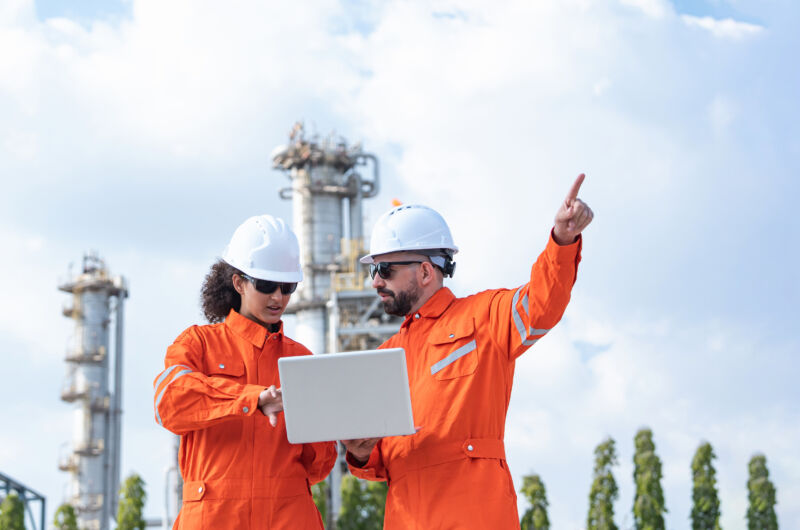
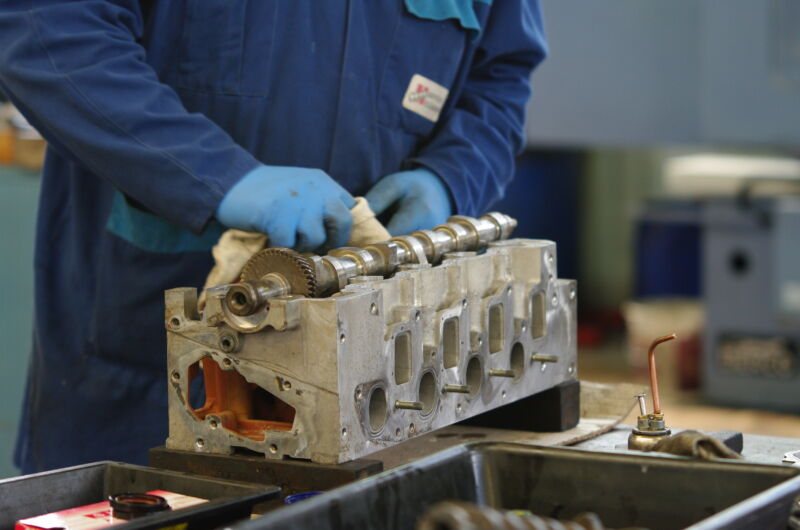
A pipework fitter installs, repairs or replaces metal or plastic pipework systems. These pipes may carry gases or liquids. They then carry out commissioning tests. This employee works in a wide range of sectors, such as the automotive, aerospace, petrochemical, shipbuilding, steel, and heating industries, amongst others.
Qualities and skills
- Manual dexterity
- Physical stamina
- Flexibility
- Identifying the risks associated with products transported through pipes
- Reading isometric diagrams and technical drawings
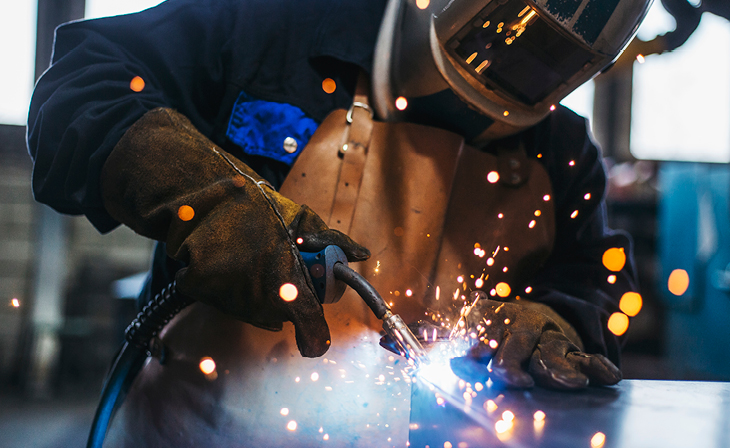
- Proficiency in various technical skills: assembly, bolting, cutting, grinding, bending, welding, marking out, taking measurements
- Use of tools: laser level, plumb line, surveying glasses, rulers, pipe bender, oxy-fuel cutter, cut-off saw, angle grinder, saw, blowtorch, mitre square, hoists, forklift truck, overhead crane,
Levels of education and training
From the CAP to the BTS, there are numerous training programmes leading to a career as a pipeworker.
CAP in Metalwork / Fabrication of Boiler-Made Assemblies / Foundry Trades
BEP in Fabrication of Boiler-Made Structures and Metal Structures
A-level equivalent Various vocational and technical A-levels (STI Materials Engineering)
Two years’ further education (Bac + 2): A wide range of BTS programmes in Metal Construction / Design and Fabrication in Industrial Boilermaking / Fabrication of Boilermaking Structures / Foundry Work
Also accessible via a Professional Qualification Certificate in Boiler-Making and Pipework
Sectors and companies
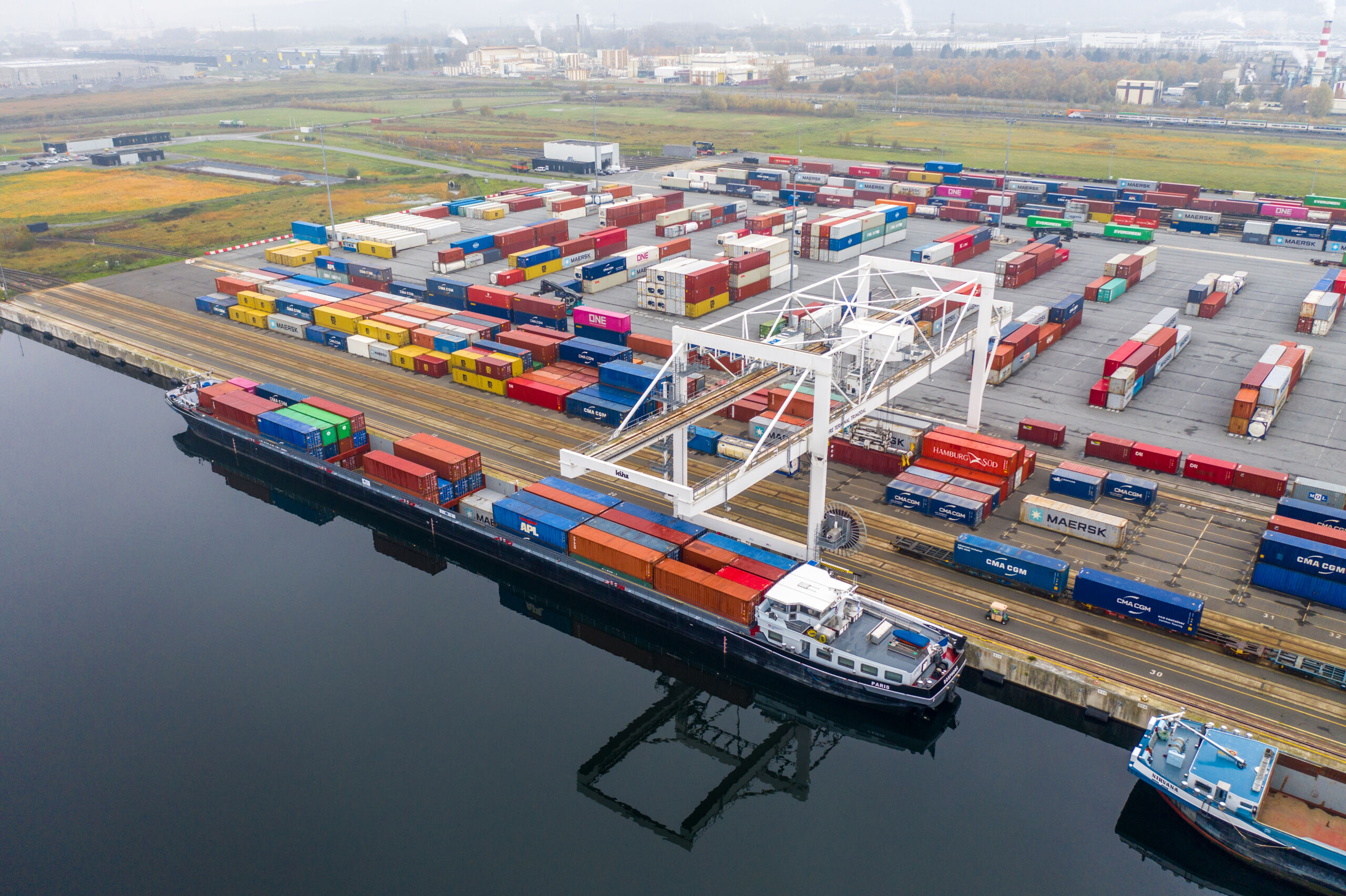
Pipe fitters are found in many industrial sectors: aerospace, defence, automotive, heating, petrochemicals, shipbuilding, energy and steelmaking. In Le Havre, this role is in high demand, with pipe fitters working on numerous sites in both the industrial and maritime sectors.
Source: LH PORT CENTER – Further information at www.lhportcenter.com